SE24 Moving Guide: Street-by-Street Advice for Herne Hill
Posted on 07/05/2026
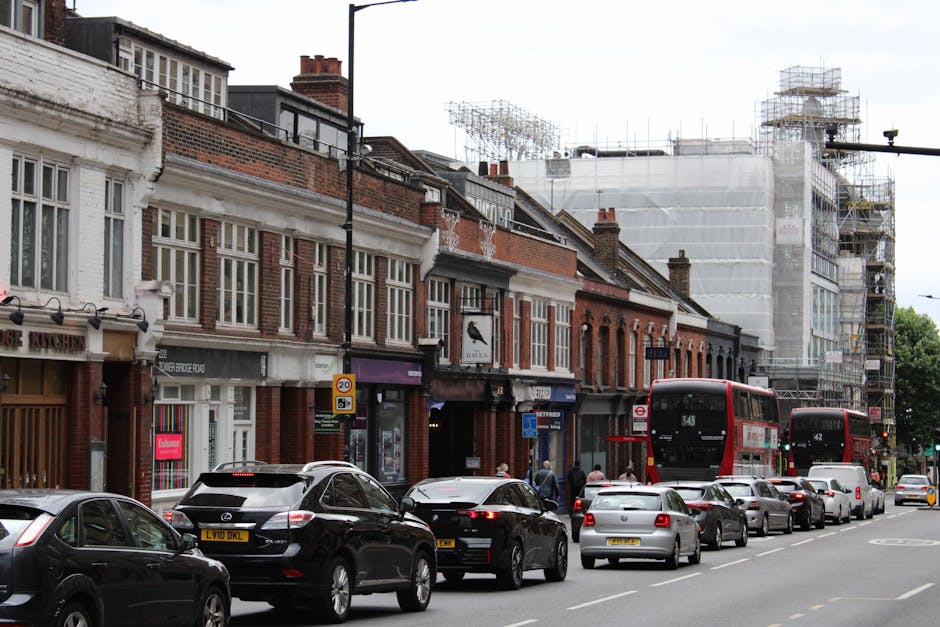
Moving in Herne Hill is not just about booking a van and hoping for the best. SE24 has its own rhythm: tight residential streets, busy school-run windows, period homes with awkward stairs, and the kind of parking situation that can turn a calm morning into a small tactical operation. This SE24 Moving Guide: Street-by-Street Advice for Herne Hill is designed to help you plan realistically, move safely, and avoid the common delays that catch people out on moving day.
Whether you are leaving a Victorian terrace near the station, moving into a flat off Railton Road, or coordinating a family home around the edges of Brockwell Park, a local approach matters. The advice below focuses on the practical details that actually change the day: access, timing, loading, packing, and the little street-level issues that generic moving guides usually miss.
For readers comparing support options, it can also help to review a broader overview of moving services in Herne Hill alongside the more specific tips here. That way you can match the job to the right level of help instead of overpaying, under-planning, or trying to carry a wardrobe down a staircase that clearly disagrees with you.

Why SE24 Moving Guide: Street-by-Street Advice for Herne Hill Matters
Herne Hill looks straightforward on a map, but moving here can be surprisingly nuanced. The area mixes mansion blocks, converted flats, family houses, and split-level properties, often on streets where parking is limited and turning space is tighter than you expect. That means the "standard moving day" you might imagine elsewhere in London can fall apart fast if you do not plan around the local layout.
The street-by-street idea matters because moving problems are usually local problems. A van that works well on a wide suburban road may struggle with narrow access near smaller terraces. A lift-free top-floor flat changes carrying time dramatically. Even the timing of your arrival can matter if you are moving close to school drop-off, commuter traffic, or a weekend market run. One poorly timed arrival can add an hour without anyone doing anything wrong.
Local awareness also reduces stress. When you know which items need disassembly, which corners are tight, and which parking arrangements you need to secure, the move becomes calmer and more predictable. That is especially useful for people using a man and van service in Herne Hill, because the job can be tailored around access rather than forcing everything into one one-size-fits-all approach.
In practical terms, this guide helps you make better decisions before moving day. You will pack differently, load differently, and schedule differently when you understand what SE24 homes and streets tend to demand.
How SE24 Moving Guide: Street-by-Street Advice for Herne Hill Works
The guide works by breaking the move into local realities rather than vague moving advice. Start with your exact address, then think through the route the items will take: from room to hallway, from front door to pavement, from pavement to van, and from van to the new property. Each stage has its own possible bottleneck.
For example, a move from a first-floor flat may seem simple until you remember the staircase bends sharply halfway down. A large sofa may fit in the room but not through the landing. In Herne Hill, those details are common enough that they should be treated as part of the plan, not as an unfortunate surprise.
The street-by-street approach also helps you choose the right service. If you are moving a few boxes and a bed, a smaller vehicle and a light-touch service may be enough. If you are moving a whole household, or if access is awkward, a more complete Herne Hill removal service may be the better fit. The point is not to overcomplicate the move; it is to prevent the usual last-minute scramble.
Think of this as practical route planning for domestic moving. Not glamorous. Very useful.
Key Benefits and Practical Advantages
A local moving plan offers more than convenience. It can save time, reduce damage risk, and improve coordination between everyone involved. That may sound obvious, but in a busy SE24 move, the difference between a prepared team and an improvised one is often obvious within the first ten minutes.
- Fewer delays: You can plan around parking, access, and busy times more effectively.
- Lower damage risk: Knowing the layout helps protect furniture, walls, and staircases.
- Better vehicle choice: You avoid booking a van that is too large for the street or too small for the load.
- Smoother scheduling: You can coordinate lift access, handovers, and packing with less guesswork.
- Less physical strain: Heavy items are handled with better technique and fewer risky lifts.
Another benefit is emotional. Moving day already has enough going on. When the access plan is clear, you spend less time asking "where exactly should the van stop?" and more time focusing on the move itself. If you are still deciding what to keep, donate, or store, it can also help to read clutter-free move strategies before you start packing.
For many households, the real advantage is control. A move feels easier when you can see the sequence ahead of time.
Who This Is For and When It Makes Sense
This guide is useful for almost anyone moving within or into Herne Hill, but it is especially relevant if your property has access quirks, a lot of furniture, or a tight deadline. If you are moving from a flat above a shop, a family home with a narrow hallway, or a student property with a lot of small items, the local planning side becomes even more important.
It also makes sense if you are comparing services. People moving small loads often look at a man with a van in Herne Hill for flexible, smaller-scale support, while larger homes may need a more structured house removals Herne Hill service. If your property is a flat with stairs, lifts, or awkward communal access, the best-fit option may be a specialist flat removals service.
It is also useful for:
- families moving around school schedules
- students settling into shared housing
- older residents downsizing
- professionals moving on short notice
- anyone with bulky items like sofas, beds, pianos, or freezers
If you are unsure whether you need full removal support or just transport, check the size of the load, the walking distance from door to van, and whether anything needs disassembly. Those three factors usually tell the story.
Step-by-Step Guidance
1. Walk the route before you pack anything
Start at your front door and walk the path the items will take. Look for low ceilings, stair turns, tight internal doors, and anything likely to snag. Then do the same outside. Can a van stop close enough? Is there room to load without blocking traffic? Will someone need to hold a door open while carrying?
This sounds basic, and it is. But basic checks prevent most moving-day friction.
2. Separate the move into zones
Group items by room and by fragility. Keep daily essentials in one clearly marked box or bag, and separate anything valuable, breakable, or urgently needed. Good packing discipline makes the unloading stage much faster. If you want a deeper packing framework, the guide on packing smarter for your next move is a helpful companion.
3. Measure large furniture properly
Measure not only the item itself, but the doors, landings, stair width, and any awkward corners. This is particularly important for wardrobes, beds, sofas, and washing machines. In practice, a piece that is "only slightly too big" may still be impossible to turn in a narrow hallway.
For furniture moves, a dedicated furniture removals service in Herne Hill can be worthwhile because the team can plan the handling method before arrival instead of improvising with a heavy object halfway up the stairs.
4. Protect the pieces that are most likely to suffer
Soft furnishings need covers, mattresses need protection, and vulnerable corners need padding. A sofa, for instance, can pick up dirt or scuffs very quickly during a short carry if it is left exposed. If you are storing it temporarily, the advice in sofa storage and care is useful even outside the Hendon area because the same preservation principles apply.
5. Time the loading window carefully
Try to avoid busy windows if possible. School runs, commuter peaks, and peak weekend traffic can all slow a move, even on short local journeys. If the building has shared access, warn neighbours or building management early enough that the loading period is less likely to clash with other use of the space.
6. Keep the first-night essentials separate
Always know where the kettle, chargers, toiletries, medications, bedding, and basic tools are. You do not want to be searching for a screwdriver while standing in a hallway surrounded by boxes. It is not the glamorous side of moving, but it is the side you will remember most.
Expert Tips for Better Results
A few small decisions make a disproportionate difference on moving day. Here are the ones most likely to save time, effort, or frustration.
- Book with access in mind: Tell the mover about stairs, restricted parking, and lift size before the job is confirmed.
- Use smaller boxes for heavy items: Books, records, and kitchen items get dangerous surprisingly fast when packed too densely.
- Label by destination, not just by room: "Kitchen - first unload" is more useful than a vague room label.
- Disassemble early: Beds, shelving, and table legs are easier to manage if they are already separated the day before.
- Protect finishes: Door edges, stair rails, and furniture corners are the first places to show wear.
For awkward lifting, it is worth understanding your limits. A common mistake is trying to "just get it done" with a heavy item that really needs two people. If you want a safer approach to lifting and carrying, this piece on solo heavy lifting is a practical read, though in many cases the best solution is still to ask for help.
And yes, pianos deserve their own category entirely. They are not simply large items; they are sensitive, weight-distributed, and awkward in ways that catch even confident movers off guard. If that is part of your move, look at piano removals in Herne Hill rather than treating it like a standard furniture job.

Common Mistakes to Avoid
Most moving-day problems are preventable. The trouble is that they often feel small right up until they become expensive or exhausting.
Underestimating access
People often focus on volume and forget the route. A van can hold the load, but if it cannot access the property efficiently, the job gets slower and harder. Always think about the pavement, stairs, doors, and turning points, not just the size of the van.
Packing too late
Last-minute packing leads to mixed boxes, missing labels, and breakages. It also creates stress because everything takes longer than you expected. If you are already feeling pressed for time, a good stress-free relocation plan can help you reset the schedule.
Ignoring furniture protection
A sofa with no cover, a mattress with no sleeve, or a dining table with bare corners is asking for trouble. Even a short carry can leave scuffs if items are not wrapped properly.
Forgetting to sort what you do not want
Moving clutter from one home to another is one of the least satisfying uses of time. Decluttering before the move makes loading easier and often reduces the vehicle space needed. A sensible starting point is the practical advice in decluttering strategies for moving.
Not planning for the end of the day
People frequently think only about the departure, not the arrival. But unloading order matters. If the beds go in first, you can rest sooner. If the kitchen boxes are reachable, you can function the next morning. That kind of planning helps more than most people expect.
Tools, Resources and Recommendations
You do not need specialist equipment for every move, but a few well-chosen tools make a big difference.
| Tool / resource | Why it helps | Best used for |
|---|---|---|
| Strong packing boxes | Protects contents and keeps lifting manageable | Books, kitchenware, decor, mixed household items |
| Mattress cover | Prevents dirt and handling marks | Beds and bedroom moves |
| Furniture blankets | Reduces scratches during loading and transport | Wardrobes, tables, sofas, cabinets |
| Trolley or sack truck | Limits strain on longer carries | Heavy boxes and white goods |
| Basic tool kit | Makes disassembly and reassembly faster | Beds, shelving, flat-pack furniture |
If you are still assembling supplies, a dedicated packing and boxes service in Herne Hill can save time and reduce guesswork. For those who need temporary holding space between addresses, storage in Herne Hill is a sensible option when completion dates or handovers do not line up neatly.
For one-item or light-load moves, a smaller vehicle may be enough, and you may want to compare a removal van option with a broader man with a van service. The right choice often comes down to whether you need loading help, transport only, or a more hands-on team.
Law, Compliance, Standards, or Best Practice
Not every move needs a formal compliance checklist, but there are still sensible standards to follow. In London, parking and loading should be handled carefully so that you do not block access, ignore local restrictions, or create a hazard for pedestrians and other road users. If a bay suspension, permit, or building arrangement is needed, it should be arranged in advance where possible rather than assumed on the day.
Health and safety also matters. Good movers use safe lifting methods, suitable equipment, and sensible team coordination. That means not overloading one person, not carrying obstructive loads that block visibility, and not forcing items through spaces they clearly do not fit. If you are comparing providers, it is reasonable to ask how they approach safety and handling, and whether they can explain their process in plain language. A reputable company should be able to do that without turning it into a lecture.
You may also want to review the provider's public policies before booking. Pages such as insurance and safety information, health and safety policy, and terms and conditions are useful because they help set expectations clearly. That is especially important if you are moving valuable items, booking short-notice support, or coordinating a complex handover.
For many people, the simplest best practice is also the most useful: tell the mover the truth about the property. If access is awkward, say so. If the sofa is oversized, mention it. If the piano is heavy, do not describe it as "fairly manageable." Truth be told, that rarely ends well.
Options, Methods, or Comparison Table
Different moves call for different levels of support. Here is a practical comparison to help you decide what makes sense.
| Method | Best for | Pros | Trade-offs |
|---|---|---|---|
| Self-move | Very small loads, flexible timing | Lowest direct cost, full control | Highest physical effort, more risk, more time |
| Man and van | Small to medium loads, local moves | Flexible, efficient, often cost-effective | May need you to handle some packing or coordination |
| Full removal service | Larger homes, awkward access, busy schedules | Less stress, more support, better for complex items | Usually costs more than a simple vehicle booking |
| Storage plus move | Staggered dates, downsizing, gap between homes | Useful when move-out and move-in dates do not align | Extra planning and additional storage cost |
If you are leaning toward a hands-off approach, a broader Herne Hill removal company comparison can be useful. If you are moving a flat, compare the likely stair access and parking situation carefully. If you are moving on a deadline, short-notice support such as same-day removals may be the most practical route, provided the load and access are realistic.
There is no single "best" method. There is only the method that fits your property, your load, and your schedule.
Case Study or Real-World Example
Here is a realistic example that captures why local planning matters.
A couple moved from a top-floor flat near the station into a house a short drive away in SE24. On paper, it was a small local move. In practice, the old property had narrow stairs, a tight landing, and no convenient loading space directly outside. Their original plan was to load everything in one go. That would have been optimistic at best.
Instead, they split the move into three stages: boxes first, dismantled furniture second, and the largest items last. They measured the bed frame and wardrobe in advance, wrapped the sofa, and reserved a clear loading window. They also kept a separate essentials bag for the first night, which meant there was no frantic hunt for bedding once the van had gone.
The move still took effort, because moving always does. But it avoided the kind of bottlenecks that usually create stress: blocked stairways, forgotten tools, and last-minute repacking. The biggest win was not speed. It was control.
That is the value of a street-aware plan. It turns "we hope this works" into "we know how this will happen."
Practical Checklist
Use this as your final pre-move run-through.
- Confirm your exact moving date and access window
- Check parking, loading space, and any local restrictions
- Measure large furniture and awkward stair turns
- Book the right type of transport or removal support
- Label boxes by room and priority
- Pack an essentials bag for the first 24 hours
- Wrap sofas, mattresses, mirrors, and fragile items properly
- Disassemble beds and bulky furniture in advance where possible
- Keep tools, keys, chargers, and documents together
- Review safety, insurance, and service terms before booking
- Arrange storage if dates do not line up cleanly
- Do a final sweep of cupboards, lofts, and utility spaces
Expert summary: The smoothest SE24 move is rarely the biggest one; it is the one with the clearest access plan, the best packing discipline, and the fewest surprises on the pavement.
Conclusion
Herne Hill moves reward preparation. If you understand the streets, the access, the timing, and the practical limits of your property, you can avoid most of the stress that makes moving day feel harder than it needs to be. A street-by-street approach is not about overplanning; it is about matching the move to the reality of SE24.
Focus on the route, not just the boxes. Measure large items. Protect fragile ones. Pack in a way that makes unloading easy. And if the move is more complex than you want to manage alone, choose the level of help that actually fits the job rather than guessing.
Get a free quote today and see how much you can save.