Relocating in Listed Buildings: Herne Hill Preservation Rules
Posted on 18/06/2026
![Black-and-white photograph of a man wearing glasses, headphones, and a light-colored jacket, standing indoors near a corner, holding a vinyl record in his hands. He is positioned in front of a wood-burning stove with a visible chimney pipe extending upward. The room features a framed painting of trees hanging on the wall, and various objects including a box and furniture are partially visible in the background. The setting appears to be a living space, possibly during a home relocation or packing process, with the man engaged in handling records amidst other household items. The image captures a quiet moment of packing or organizing, relevant to furniture transport and moving activities carried out by [COMPANY_NAME] for house removals or property relocations.](/pub/blogphoto/relocating-in-listed-buildings-herne-hill-preservation-rules1.jpg)
Moving home is stressful enough without having to tiptoe around original sash windows, narrow staircases, and a hallway that seems to have opinions of its own. If you are relocating in listed buildings in Herne Hill, preservation rules can change almost every part of the move: how you carry furniture, where you park, what you protect, and what you must not alter. The good news? Once you understand the basics, the process becomes much more manageable. In this guide, we break down the real-world rules, the practical risks, and the sensible steps that help you move without damaging the character of the property or creating avoidable headaches.
Herne Hill has plenty of period homes and protected buildings, and that charm is exactly what makes moving there a little more delicate. Let's make it simple, useful, and properly grounded in day-to-day moving reality.
Why Relocating in Listed Buildings: Herne Hill Preservation Rules Matters
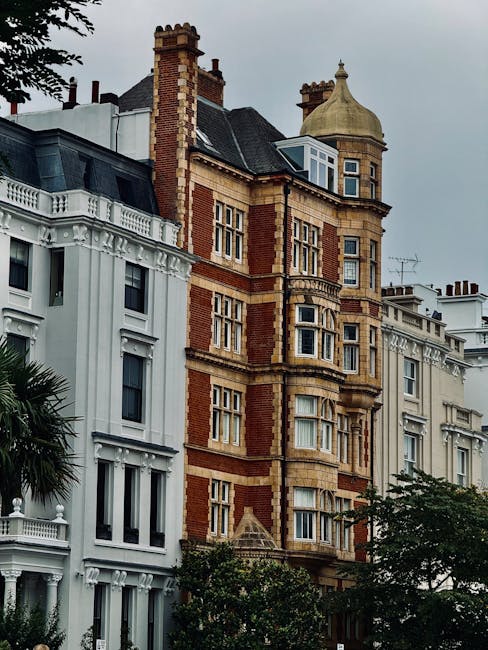
Listed buildings are protected because of their special architectural or historic interest. That means moving in or out is not just about getting boxes from one address to another. The way you use doorframes, stair runners, banisters, thresholds, floors, windows and even outdoor access can matter. A careless move can leave a dent in a lime plaster wall, scrape a stair nosing, crack an old tile, or damage a feature that is hard to repair properly. And in a listed property, "we'll just patch it later" is not always a clean fix. Sometimes the repair itself needs care, matching materials, or professional attention.
In Herne Hill, the issue is especially relevant because many properties have a period feel, tight access, and older fabric that does not forgive heavy-handed handling. A sofa may fit physically, but not safely. A piano might make it around the landing once, but only if the route is planned properly. Even something as ordinary as a mattress can become awkward if the stairwell twists sharply or the banister is original and vulnerable. If you want a broader sense of the packing side of moving, these packing strategies for a smoother house move are worth reading alongside this guide.
Expert summary: In a listed building, the safest move is rarely the fastest one. Protect the property first, then the furniture, then the schedule. To be fair, that order saves money more often than it slows things down.
The other reason these rules matter is simple: responsibility. If you live in, own, or manage a protected property, you are expected to avoid unnecessary alteration or damage. That does not mean you cannot move. It means you need to approach the move with care, evidence, and decent planning.
How Relocating in Listed Buildings: Herne Hill Preservation Rules Works
There is no one-size-fits-all moving rule for listed buildings. The practical process usually starts with understanding the building's constraints and then matching your move to those constraints. Think of it as a sequence rather than a single decision.
1. Identify what is protected
Some listed properties include only the exterior shell, while others have protected interiors, staircases, windows, doors, decorative plasterwork, fireplaces, or floor finishes. In plain English, you need to know what must not be altered or damaged. If you are unsure, it is wiser to treat anything original or visibly historic as sensitive. That sounds cautious because it is.
2. Plan access before moving day
Access in Herne Hill can be tight, especially around older streets, shared entrances, and upper-floor flats. Measure door widths, stair turns, ceiling heights, and any awkward landings. Check whether large items can be moved upright, on edge, or only disassembled. This is where an experienced team helps a lot, especially if your move includes heavy furniture or specialist items. If you need help understanding building-friendly handling, furniture removals in Herne Hill can be arranged with the sort of route planning older properties demand.
3. Agree on protective measures
Good protection is not just blankets thrown over a banister and hope. It usually means floor runners, corner guards, door protection, padded wrapping, and controlled lifting points. On some jobs, a little extra time spent wrapping and positioning saves far more time than a rushed carry ever would. Funny how that works.
4. Confirm whether permissions are needed
Depending on the property and the works involved, you may need approval for temporary arrangements, access changes, or anything that touches the historic fabric. This is not the same as saying every move needs formal permission. It doesn't. But if you are removing or altering anything fixed, it is sensible to check early.
5. Choose the right moving method
A small flat move, a family relocation, and a specialist item move all require different handling. Sometimes a man and van in Herne Hill is enough for compact access and straightforward loads. Other times, you need a more structured plan, extra manpower, or a specialist service for valuable items like pianos, which deserve proper handling and not a brave-but-frankly-terrible DIY attempt.
Key Benefits and Practical Advantages
Preservation rules can feel restrictive at first, but they are not there to make life awkward. When handled properly, they create better outcomes for everyone involved. You protect the building, reduce the chance of disputes, and usually make the move itself more controlled.
- Less risk of damage: Careful planning protects original features, staircases, walls, and floors.
- Cleaner handover: A tidy, damage-free property is easier to return or sell without awkward conversations.
- Better coordination: When everyone knows the route and constraints, the move is calmer.
- Safer lifting: Older buildings often create narrow, steep, or uneven movement paths, so measured handling matters.
- Fewer last-minute surprises: Early checking avoids discovering, at 8:15am on moving day, that the wardrobe will not turn the corner. That has happened more than once.
There is also a financial angle. Damage to historic or original features can be disproportionately expensive to put right. Even if the fix seems tiny, matching materials and workmanship can add complexity. Using proper handling and protective equipment is a small investment compared with a repair that has to be done twice because the first patch looked "close enough".
For people who are decluttering before a move, the planning stage is a chance to simplify the load before it meets the staircase. A clutter-free move with proven strategies can make a listed-building relocation much easier, especially when space is limited and access is awkward.
Who This Is For and When It Makes Sense
This topic is relevant for a few different groups, and not just homeowners. Listed buildings often involve more than one stakeholder, which can make things mildly complicated. Mildly. Sometimes more than mildly.
Homeowners and sellers
If you own a listed property, you want to protect its condition during the move and avoid leaving avoidable marks behind. Sellers also need to think about the presentation of the building for buyers and surveyors. A careless exit can create the wrong impression, even if the damage is small.
Tenants in protected flats or houses
Tenants may not own the building, but they still need to move without harming it. Shared halls, stairwells and communal entrances are common pinch points. If your flat has limited lift access or narrow stairs, flat removals in Herne Hill can be a more realistic route than trying to improvise with friends and a borrowed van.
Landlords and property managers
For landlords, the real challenge is balancing turnover with protection. You need a process that keeps the building safe, lets tenants move efficiently, and prevents repeat damage from rushed handling. That usually means clear access instructions, agreed protective measures, and sensible scheduling.
People with specialist items
If your move includes a piano, antique cabinet, oversized mirror, or another item that does not appreciate tight corners, preservation concerns become even more important. Specialist lifting is not overkill; it is often the difference between a smooth move and a cracked finish. For that kind of job, piano removals in Herne Hill are worth considering rather than gambling on a weekend DIY drama.
Anyone moving on a tight timetable
If timing is tight, you may be tempted to rush. In listed buildings, rushing is where problems start. Even a same-day move can be done properly if the route, protection and lifting team are lined up in advance. If you are in a real time bind, same-day removals in Herne Hill may help, but only if the access details are shared early and honestly.
Step-by-Step Guidance
Here is the practical version. Not the theoretical, perfect-world version. The one that actually works in old buildings with odd angles and a lot of character.
- Walk the route first. Check the front entrance, internal stairs, landings, and any tight turns. Note low ceilings, slippery floors, fragile railings, and awkward corners.
- Measure the largest items. Do not guess. Measure sofas, wardrobes, beds, fridges, and anything heavy or bulky. Then compare those measurements to doors and stair turns.
- Identify sensitive surfaces. Look for original woodwork, heritage tiles, plaster details, stone thresholds, and polished floors that can mark easily.
- Decide what should be dismantled. Some items should travel in parts. This is often quicker than forcing a full-size item through a narrow route and regretting it.
- Choose protective materials. Use wraps, blankets, floor protection, edge guards, and straps where appropriate.
- Assign roles. One person leads, one watches corners, and one manages the load. This sounds basic, but it prevents most of the silly mishaps.
- Schedule the move thoughtfully. In busier parts of Herne Hill, morning or school-run traffic can affect access and parking. Route planning matters more than people think.
- Document the condition. Take photos before and after, especially of areas that are easy to scuff or scratch.
- Keep original fittings untouched unless agreed. If something is fixed to the building, treat it as off-limits until you have clear permission and a proper plan.
- Leave the route cleaner than you found it. A neat exit matters. It sounds small, but it leaves a very different impression.
If you want to understand the physical side of moving heavy items safely, kinetic lifting techniques can help you grasp why body position and momentum control matter so much in tight, old stairwells.
Expert Tips for Better Results
A few practical habits make a disproportionate difference in listed buildings. These are the sort of things experienced movers do without making a fuss.
Use more protection than you think you need
Old buildings can be unforgiving. A thin wall covering is not enough if a corner catches the side of a wardrobe. Double up protection at turns and landings. The extra minute is worth it.
Watch the weather
Rain, damp steps, and muddy shoes are not ideal on old floors. On a wet morning, the safest route may need a matting plan from the doorway inward. It is not glamorous, but it works.
Break the move into stages
For big homes or particularly awkward layouts, moving in stages can be more efficient than forcing one marathon push. Stage the load in a protected room or hallway and work through items one by one. It sounds slower. Usually it is not.
Keep communication direct
If you are moving through a shared entrance, with neighbours or building managers nearby, say what time you will be there and what the team needs. Clear communication avoids a lot of eye-rolling later.
Use storage when the building itself is the bottleneck
Sometimes the smartest option is not to force every piece in and out on the same day. If decorating, repair work, or access limits are in play, temporary storage can take the pressure off. You can explore storage options in Herne Hill when the building needs a little breathing room.
Don't overestimate "quick" jobs
Truth be told, a move that looks like a two-hour job can turn into four if a staircase is tighter than expected or a piece must be carried at an angle you did not account for. That is normal. Plan for it.
![Black-and-white photograph of a man wearing glasses, headphones, and a light-colored jacket, standing indoors near a corner, holding a vinyl record in his hands. He is positioned in front of a wood-burning stove with a visible chimney pipe extending upward. The room features a framed painting of trees hanging on the wall, and various objects including a box and furniture are partially visible in the background. The setting appears to be a living space, possibly during a home relocation or packing process, with the man engaged in handling records amidst other household items. The image captures a quiet moment of packing or organizing, relevant to furniture transport and moving activities carried out by [COMPANY_NAME] for house removals or property relocations.](/pub/blogphoto/relocating-in-listed-buildings-herne-hill-preservation-rules3.jpg)
Common Mistakes to Avoid
Most problems in listed-building moves come from a fairly short list of mistakes. The good news is that they are avoidable.
- Skipping the walk-through: If you do not inspect the route, you are guessing.
- Forcing large items through sensitive spaces: A few extra minutes dismantling a bed or wardrobe is better than scratching a historic bannister.
- Using the wrong lifting technique: Back strain and dropped items are very real risks. If in doubt, use trained help.
- Ignoring parking and loading access: A brilliant internal plan means little if the vehicle cannot get close enough.
- Not checking permissions: This is where well-meaning movers can create avoidable tension with building managers or neighbours.
- Assuming old features are indestructible: They are not. Often the opposite.
One particularly common error is treating a listed building move like a standard modern-flat move. It is not. The floor may be less level, the stair angle steeper, and the clearances more awkward. If your bed needs dismantling, do it properly. There are useful DIY bed and mattress moving tips, but in a listed building the safety margin should be higher, not lower.
Another mistake is under-preparing bulky furniture. Sofas are a classic culprit. If the load is awkward and the corners are unforgiving, understanding sofa handling and storage longevity helps you avoid scuffs, crushed fabric and bent feet.
Tools, Resources and Recommendations
You do not need a van full of specialist kit for every move, but a few reliable tools make the job much safer and cleaner.
- Furniture blankets and wrap: For cushioning doorframes, table edges and banister contact points.
- Floor protection: Particularly useful on polished timber, stone, or delicate hallway finishes.
- Corner guards: Handy where routes narrow sharply.
- Ratchet straps and trolley equipment: Useful for stable transport, when used by people who know what they are doing.
- Basic tool kit: Screwdrivers, Allen keys, and labels for dismantled fittings.
- Labels and markers: So dismantled items can be rebuilt without guesswork later.
- Clear communication notes: Access instructions, parking details, and fragile-item warnings written down, not left to memory.
For a calmer overall moving experience, it can also help to read stress-free relocation tips before the day arrives. Small habits, like packing a separate essentials bag, often make the whole move feel less chaotic.
If you are sorting out boxes and packing supplies, packing and boxes in Herne Hill is a sensible place to start, especially when you need the right sizes rather than a random stack of half-used cartons. And if you are looking beyond the move itself, recycling and sustainability can help you think through unwanted items responsibly.
Law, Compliance, Standards, or Best Practice
We should be careful here. The exact obligations can vary depending on the property, whether it is listed, what part of the building is protected, and whether any actual alteration is being proposed. So the safest advice is to treat compliance as a combination of legal duty, building etiquette, and practical care.
In UK practice, listed buildings are protected because of heritage value. That usually means you should avoid unauthorised alteration, unnecessary damage, or work that affects protected features. For moving purposes, the key point is that temporary access arrangements are not a free pass to damage historic parts of the building. If something fixed needs to be adjusted, or if the move affects protected fabric, it is sensible to seek proper guidance first.
Best practice usually includes:
- checking what parts of the property are protected before the move;
- agreeing access and loading arrangements in advance;
- using padded protection on vulnerable routes;
- keeping a record of the property condition before and after;
- avoiding any fixings, adhesive attachments, or alterations without approval;
- working with a team that understands delicate access and safe lifting.
There is also a wider safety expectation. Moving in older buildings often involves uneven stair geometry, lower light levels, and heavier physical demand. Good practice means treating these as real risks, not minor inconveniences. If you want to review broader moving safety principles, insurance and safety information can be useful background when planning a job that has more risk than a standard move.
Options, Methods, or Comparison Table
Different relocation methods suit different buildings. Here is a practical comparison to help you choose what fits your situation.
| Method | Best for | Pros | Limitations |
|---|---|---|---|
| DIY with friends | Very small moves, light loads, straightforward access | Low upfront cost, flexible timing | Higher risk of damage, injury, and missed details; rarely ideal in listed buildings |
| Man and van | Compact moves, shorter distance, limited furniture | Simple, cost-conscious, useful for smaller loads | May not suit complex access unless planned carefully |
| Full removal service | Homes with multiple rooms, fragile items, or awkward access | More support, better coordination, safer handling | Usually costs more, but the value is in the reduced risk |
| Specialist item removal | Pianos, antiques, large wardrobes, difficult stair routes | Best protection for sensitive or heavy items | Requires more coordination and advance planning |
For many Herne Hill properties, the middle ground is the sweet spot. A basic van service is enough for some flats, but once you add protected features, narrow staircases, and larger items, a more structured removal plan usually wins. If the move is time-sensitive and the building access is awkward, it may also be worth reviewing removal services in Herne Hill rather than trying to stretch a small solution too far.
Case Study or Real-World Example
Here is a realistic scenario based on what often happens in Herne Hill. A couple moves out of a Victorian listed flat with a narrow entrance hall, original timber balustrade, and a stairwell that turns sharply at the first landing. The biggest problems are not the boxes. It is the sofa, the bed frame, and a heavy dresser that refuses to fit around the corner in one piece.
Instead of forcing the move, the team does a route check the day before. They measure the stair turn, remove the bed frame, and wrap the dresser carefully. Floor protection goes down at the entrance and around the landing. One person guides the corners. Another manages the weight. The sofa is turned upright only when the landing gives enough clearance. A second lift is needed for the wardrobe, but that decision is made before anyone starts sweating on the stairs. Small relief, really.
The result is uneventful in the best possible way. No scuffed plaster. No scraped banister. No urgent "we'll sort that later" conversation. The move feels a little slower than a standard flat clearance, but it finishes cleaner and calmer. That is the point.
For more local context on tricky streets and route planning, it can help to look at street-by-street moving advice for SE24 and parking and access tips for Croxted Road moves. The access issues differ, but the planning mindset is similar.
Practical Checklist
Use this before moving day. It is boring in the best possible way.
- Confirm whether the building is listed and identify any sensitive features.
- Measure doors, stairwells, landings, and large furniture.
- Decide which items need dismantling.
- Protect floors, corners, walls and doorframes.
- Check parking and loading access.
- Share any building rules with your movers in advance.
- Pack a separate essentials box for the first night.
- Photograph sensitive areas before the move.
- Keep tools available for reassembly.
- Plan a slower pace for fragile or oversized items.
- Prepare a wet-weather backup if the route includes outdoor steps or exposed entrances.
- Leave the property tidy and inspect the route again at the end.
If you are moving a lot of items at once, especially with limited access, a man with a van in Herne Hill can be a practical compromise between DIY and a full-service crew. For people moving with less time to spare, rapid-response moving options in Herne Hill may also be relevant, though listed-building care still applies.
Conclusion
Relocating in listed buildings in Herne Hill is all about respect, preparation, and a bit of patience. The preservation rules are not there to make your day difficult; they are there to protect the features that give the building its character. Once you plan the route, protect the sensitive parts, and choose the right moving method, the whole job becomes much less intimidating.
The easiest way to think about it is this: if the building has survived for generations, your move should not be the thing that leaves a mark. With the right planning, it won't.
Get a free quote today and see how much you can save.
And if the move still feels a little overwhelming, that is normal. Old buildings can test anyone's patience. Take it one step at a time, and you'll get there.