Man with Van vs Full-Service Removals in SE24: Which Wins?
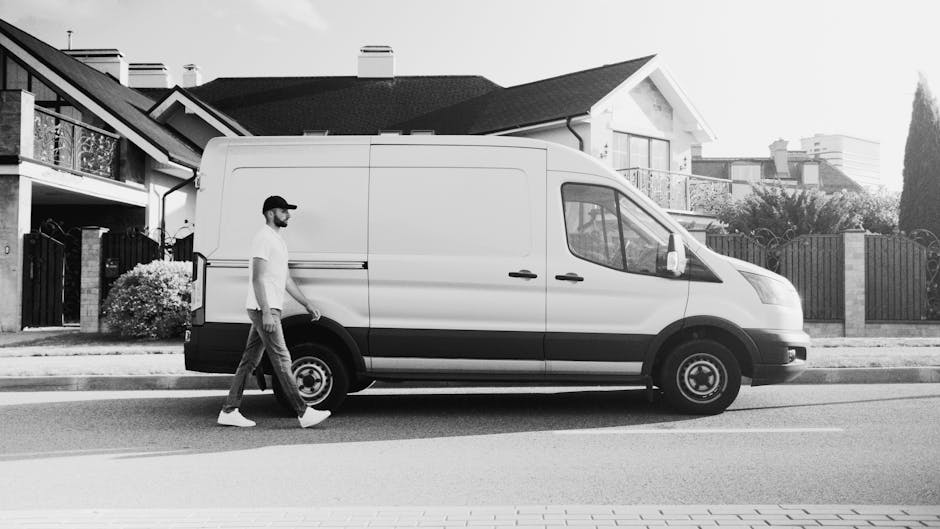
If you are moving in SE24, the choice between a man with van and a full-service removals team can shape the whole day. It affects cost, speed, stress levels, packing pressure, parking headaches, and even whether you are still carrying boxes at dusk with your sleeves rolled up. Man with Van vs Full-Service Removals in SE24: Which Wins? is not a one-size-fits-all question, because the answer changes depending on access, property type, volume, and how much help you actually want.
In Herne Hill and the wider SE24 area, that matters more than people expect. Victorian terraces, top-floor flats, tight stairwells, school-run traffic, and awkward loading spots can turn a simple move into a bit of a puzzle. This guide breaks down the real differences, the hidden trade-offs, and the practical signs that point you toward the right option. No fluff. Just the kind of detail that helps you make a sensible call.
Why Man with Van vs Full-Service Removals in SE24: Which Wins? Matters
On paper, this looks like a simple comparison. In reality, it is one of the biggest decisions in a move. A man with van service usually gives you transport and a helping hand with loading, while a full-service removals team can take care of the heavy lifting, packing, dismantling, transportation, unloading, and sometimes unpacking too. That difference sounds obvious. Yet in the middle of a move, obvious things become strangely fuzzy.
Why does it matter so much in SE24 specifically? Because local moves are often shaped by access rather than distance. You might only be moving a few streets away, but if the van has nowhere sensible to stop, if the stairwell is narrow, or if your sofa needs a proper team to get around a landing corner, the cheaper option can become the more expensive one in practice. Bit annoying, but true.
There is also the stress factor. A man with van is often the leaner, more flexible choice for lighter moves or short notice jobs. Full-service removals tend to be the safer bet when you want fewer moving parts and less physical strain. The best choice is usually the one that fits your property, your timeline, and your tolerance for chaos at 8:00 in the morning.
If you are comparing moving options while also trying to sort boxes, labels, parking, and the kettle, you are not alone. Most people are juggling too much by that point. That is exactly why a structured comparison helps.
How Man with Van vs Full-Service Removals in SE24: Which Wins? Works
The simplest way to understand the difference is this: a man with van service is typically smaller, faster to book, and more flexible. A full-service removals company is more comprehensive and usually better equipped for bigger, heavier, or more complex moves.
What a man with van usually includes
In many cases, a man with van service includes a driver and perhaps one helper, a suitable van, loading support, transport, and unloading at the destination. Some providers also offer basic dismantling, but that is not guaranteed. You should always confirm what is included before booking, because the phrase can cover a lot of ground. A ladder, a trolley, and a determined pair of hands can go a long way, but they are not a full removals crew.
What full-service removals usually includes
A full-service removals team generally handles more of the job from start to finish. That can include packing materials, professional packing, furniture protection, dismantling and reassembly, loading, transport, unloading, and sometimes storage arrangements. If your move involves antiques, bulky wardrobes, or awkward access, this approach usually feels calmer and more controlled.
Many households looking for broader support also explore removal services and related options such as house removals when the job is bigger than a simple van hire style move. That is usually where the extra value shows up.
How the process tends to differ on moving day
With a man with van, you may do more of the prep yourself: packing, labelling, disassembly, and grouping items ready for loading. With full-service removals, the team takes more of that work off your plate, which can be a relief if you are short on time or not keen on the physical side.
There is also a pacing difference. A smaller van can be nimble, especially in a busy SE24 street where parking is awkward and every minute matters. A larger removals team can work faster on the heavy stuff, but they need enough space to operate safely. The wrong setup in the wrong street? That is where delays creep in.
Key Benefits and Practical Advantages
Both options have real strengths. The trick is matching the service to the move instead of trying to force the move to fit the service. That sounds neat, but it is the honest answer.
Why people choose a man with van
- Lower cost for smaller jobs: If you only have a few items, a studio flat, or a short local move, this can be the leaner option.
- Flexibility: Useful when you need short notice help or a very specific collection time.
- Simple and direct: Less coordination, fewer layers, less admin.
- Good for furniture pick-ups: Handy for one-off item transport or single-room moves, especially if you have already packed.
For lighter relocations or one-off loads, a service like man with van can be the sensible middle ground. It is not fancy. It just works for the right kind of job.
Why people choose full-service removals
- Less physical effort: Better if you do not want to carry heavy furniture down stairs.
- More protection for belongings: Professional handling can reduce damage risk when items are bulky or fragile.
- Better for complex access: Narrow staircases, multiple floors, awkward corners, or tight loading areas become easier to manage.
- More complete support: Packing, wrapping, dismantling, and reassembly can save a huge amount of time.
If your move includes larger items or multiple rooms, you may find that removals or a dedicated removal company makes the whole day feel less like a slog. Truth be told, peace of mind is a real benefit. You only notice it once it is missing.
What people often overlook
It is easy to compare headline price and stop there. But the real comparison includes your time, your energy, your access challenges, and the risk of damage. A cheaper move can become expensive if you need extra trips, emergency help, replacement packing materials, or last-minute van upgrades.
Likewise, a full-service move can feel expensive at first glance but be excellent value if it saves you a whole day of labour and prevents a chipped table or strained back. That is not a glamorous selling point. Still, it is the sort of thing people remember later.
Who This Is For and When It Makes Sense
This part is where the decision gets practical. Different moves need different levels of help. Ask yourself what you are really moving, how far, and how much of the work you want to do personally.
A man with van is often best for:
- studio flats and one-bed moves
- student moves
- small household loads
- single-item transport
- short local journeys within SE24 or nearby areas
- people who have packed and dismantled everything already
If your situation feels like a quick hop rather than a full household relocation, a more compact service such as man and van may be all you need. You can get things done without overpaying for a larger operation.
Full-service removals are often best for:
- family homes
- three-bedroom-plus properties
- flats with difficult access
- moves involving fragile or valuable furniture
- busy professionals who cannot spend hours packing
- older residents or anyone who needs reduced physical strain
If your move is a bit more involved, a full team offering home moves and related support can take a lot of pressure off the day. Sometimes that is worth more than the price difference. Sometimes a lot more.
When the answer is not obvious
Not every move fits neatly into one box. You might have a small home but a heavy piano. Or a simple load, but you live up three narrow flights with no lift. In those cases, the best move is to think about labour, access, and risk separately. The service type is less important than whether it is equipped for your actual obstacles.
Step-by-Step Guidance
If you are deciding between the two options, use this process. It is simple, but it saves a lot of second-guessing.
- List everything you are moving. Not just boxes. Include furniture, appliances, mirrors, plants, and awkward items that always get forgotten until the last minute.
- Check access at both addresses. Count stairs, note narrow hallways, measure large furniture, and think about parking distance.
- Estimate how much packing you have done. If you have not packed much at all, a full-service team may be the better fit.
- Decide how much lifting you can realistically do. Be honest here. Your back will thank you later.
- Compare the total value, not just the quote. Include time saved, extra materials, and the chance of damage or delay.
- Ask what is included. Loading only? Packing materials? Dismantling? Reassembly? Insurance? Clarify it all before booking.
- Match the service to the day, not the idea of the day. A move that sounds easy on Monday can feel very different by Friday evening.
Here is the thing: people often choose based on what feels cheapest in the moment. Then moving day arrives, the wardrobe will not fit through the landing, and everyone suddenly wants a second opinion. Best to avoid that scene if you can.
Expert Tips for Better Results
A few practical habits can make either option smoother. These are small things, but they matter.
1. Be precise about your inventory
Say exactly what you have. A sofa is not just a sofa if it is a corner unit with detachable sections and a heavy frame. A table with fixed legs is different from one that comes apart in seconds. The more detail you give, the less likely you are to get surprised later.
2. Protect the access route
In SE24 homes, access can be the real bottleneck. Clear hallways, remove loose rugs, and protect floors where possible. If the route is tight, say so early. A good mover would rather know in advance than discover it with a mattress wedged halfway down the stairs.
3. Pack for lifting, not just storage
Boxes should be manageable. Too heavy and they become awkward or unsafe. Too loose and they collapse. Aim for the middle. There is a sweet spot, and it is usually somewhere between "barely liftable" and "mysteriously exploding at the bottom of the van."
4. Keep essentials separate
Take passports, keys, chargers, medication, documents, and one kettle box with you. You will be glad you did when the rest of the house is buried under tape and cardboard dust at 9:30pm.
5. Ask about equipment
Blankets, straps, trolleys, and protective wraps make a real difference. Smaller services often bring the essentials, but you should never assume. Better to ask than hope.
6. Factor in the weather and timing
A damp morning, a busy school run, or a late-afternoon loading slot can complicate even the neatest plan. In London, timing is not a minor detail. It is part of the job.
Common Mistakes to Avoid
Let's face it, moving is one of those jobs where people make the same mistakes over and over. Mostly because they are busy, tired, or both.
- Choosing on price alone: The lowest quote may exclude packing help, waiting time, or the right vehicle size.
- Underestimating volume: A few extra bags and one bulky wardrobe can change the whole plan.
- Ignoring parking and access: A cheap service is not cheap if the van cannot stop nearby.
- Not checking what is included: Some services are transport-only, others are much broader.
- Leaving packing too late: Rushed packing leads to damaged items and stress.
- Forgetting building rules: Shared entrances, restricted parking, and landlord requirements can all slow things down.
- Assuming all movers offer the same support: They do not. Not even close.
One small but common issue is timing optimism. People think, "We'll just finish the boxes in the morning." Usually, that means the move starts late. Then lunch slips. Then the last lamp gets wrapped in a towel. It all becomes a bit scrappy. Avoid the scrappy version if you can.
Tools, Resources and Recommendations
You do not need a complicated toolkit, but a few basics make a huge difference whether you choose a man with van or a full-service removals team.
Helpful moving supplies
- strong boxes in mixed sizes
- packing tape and a tape dispenser
- marker pens and labels
- bubble wrap or paper for fragile items
- blankets or covers for furniture
- zip bags for screws, brackets, and remote controls
- a dolly or trolley if you are moving items yourself
Useful support services and preparation resources
If you are still deciding what level of help to book, pages about packing and unpacking services can help you understand where the real time savings come from. For larger relocations, movers and removal companies are worth comparing carefully so you know what kind of support sits behind the price.
For local, practical reading, a few guides are especially relevant if you are moving in and around SE24. Street-by-street moving advice for Herne Hill is useful if parking and access are likely to be tricky. If you are working around narrow roads or time pressure, the article on peak-time strategies near Herne Hill station is also worth a look. Small details, big difference.
Law, Compliance, Standards, or Best Practice
Moving home is not usually a heavily regulated activity from the customer's point of view, but there are still standards and responsibilities worth taking seriously. A trustworthy provider should be clear about service scope, liability, handling practices, and what happens if something is damaged or delayed.
It is also sensible to ask about insurance and safety arrangements, especially if you are moving valuables, large furniture, or fragile items. A company that can explain its approach plainly is usually a safer choice than one that talks in circles. You can review a provider's insurance and safety information before booking, which is the sort of thing people often skip until they really wish they had not.
Best practice also includes clear communication around access, parking, and timing. In SE24, that may mean being realistic about loading space, local road conditions, and whether you need to arrange parking in advance. If your move involves a more complex property type, such as a period building or listed home, extra care may be needed. The key is simple: tell the mover the truth about the job so they can plan properly.
If you want a sense of the company's broader standards and responsibility, it can help to read its health and safety policy and related pages. Those details do not make a move exciting, obviously, but they do make it safer and more predictable.
Options, Methods, or Comparison Table
Here is the straight comparison. No drama, just the useful bits.
| Factor | Man with van | Full-service removals |
|---|---|---|
| Best for | Small to medium local moves, single items, quick jobs | Larger homes, heavy furniture, complex or full-property moves |
| Cost profile | Usually lower upfront | Higher upfront, but often broader value |
| Packing help | Usually limited or optional | Often included or available as part of the service |
| Loading and lifting | Basic to moderate support | Comprehensive lifting and handling support |
| Speed | Fast for simple moves | Efficient for larger, more complex jobs |
| Access challenges | Works well if the job is straightforward | Better for awkward access and bulky items |
| Stress level | Low if the move is simple and organised | Usually lower for the customer because more is handled |
| Ideal customer | Budget-conscious movers with manageable loads | People who want a hands-off, fuller solution |
If you are still unsure, a good rule of thumb is this: the more complicated the access, the more fragile the items, and the less time you have, the more full-service removals starts to win. If the move is small and tidy, a man with van often comes out ahead.
Case Study or Real-World Example
Picture a typical SE24 move. A couple in a first-floor flat is moving to a two-bed terrace a short distance away. They have a sofa, bed frame, dining table, a few shelves, around twenty boxes, and a tight stairwell in the new property. On paper, it sounds manageable. And it might be.
They start by considering a man with van because the distance is short and the load is not huge. Sensible. But then they remember the large wardrobe in the spare room, the heavy mirrors, and the fact that the front door opens onto a narrow pavement with limited stopping space. Suddenly the equation changes.
What would happen with a smaller service? They would likely need to do most of the packing, dismantle the wardrobe themselves, and take extra care with moving larger items. It could still work, but the margin for error would be thin. One late start, one awkward sofa turn, one parking issue, and the day gets longer.
What would happen with a full-service removals team? The job would likely run more smoothly because the crew could protect furniture, manage lifting, and handle the awkward bits more efficiently. The couple would pay more, yes. But they would probably spend less time worrying, less time lifting, and less time improvising with a screwdriver and a questionable amount of confidence.
The lesson is not that one option is always better. It is that the right choice depends on what is actually in the house, not just the postcode or the distance.
Practical Checklist
Use this checklist before you book. It keeps the decision grounded.
- Have I counted everything I need to move?
- Are there any large or fragile items that need extra care?
- How many stairs, narrow halls, or awkward corners are involved?
- Do I have parking or loading access at both addresses?
- Have I packed most of the smaller items already?
- Do I want help with packing, dismantling, or reassembly?
- Am I trying to save money, save time, or save stress?
- Have I checked what the quote includes?
- Do I understand the provider's insurance and safety approach?
- Would I rather do more myself, or hand over more of the work?
If you can answer those questions honestly, the right option becomes much clearer. Not perfect, maybe, but clearer.
Conclusion
So, who wins in Man with Van vs Full-Service Removals in SE24: Which Wins? The honest answer is that it depends on the move you are making. A man with van is often the winner for smaller, simpler, more budget-conscious jobs. Full-service removals usually wins when the move is bigger, more fragile, more demanding, or simply too much for you to want to handle alone.
In SE24, that choice is shaped by access, street layout, property type, and how much physical work you want on your plate. If you have a straightforward load and are happy to manage the packing yourself, a smaller service can be ideal. If you want fewer surprises and a calmer moving day, the fuller service may be worth every penny. To be fair, many people only realise this after the first heavy box hits the landing.
Get a free quote today and see how much you can save.
And if you are still weighing it up, that is fine. A good move starts with a clear head, a realistic plan, and a service that fits your life rather than making it harder.
Frequently Asked Questions
Is a man with van cheaper than full-service removals in SE24?
Usually, yes, especially for smaller moves or single-item transport. But the cheaper upfront price only makes sense if you are happy to handle more of the packing, lifting, and preparation yourself.
What is included in a man with van service?
It often includes a driver, a van, loading help, transport, and unloading. Some providers offer extra help such as dismantling, but you should always check before booking because the service level can vary.
What does full-service removals usually cover?
It commonly includes packing support, furniture protection, loading, transport, unloading, and sometimes unpacking or reassembly. The exact package depends on the provider, so ask for a clear breakdown.
Which option is better for a flat move in SE24?
If the flat is small, the load is light, and access is straightforward, a man with van may be enough. If stairs are tight, furniture is bulky, or you want less stress, full-service removals is often the better fit.
Do I need to pack everything myself with a man with van?
Often, yes. Many customers using a man with van service pack their own boxes and prepare items in advance. That is one reason it can be more affordable.
Is full-service removals worth it for a short local move?
It can be, especially if the property is hard to access or you have heavy furniture. Short distance does not always mean simple move, and that catches people out more often than you would think.
How far in advance should I book either service?
The sooner the better, especially at busy times of month. If your dates are flexible, you may have more choice. Last-minute bookings can work, but availability may be tighter.
What should I ask before I book a moving service?
Ask what is included, how many people are coming, whether packing and dismantling are covered, what insurance is in place, and how they handle access or parking issues.
Which service is better for heavy furniture or antiques?
Full-service removals is usually the safer choice for heavy, awkward, or valuable items. Proper handling and extra equipment matter more in those cases.
Can a man with van handle same-day moves in SE24?
Sometimes, yes. Smaller services are often more flexible for urgent jobs, but availability depends on the day and the size of the move. For short notice help, it is worth asking early.
What if I am not sure which option I need?
Start by listing your items, checking access, and thinking about how much work you want to do yourself. If the move feels borderline, get quotes for both. That way you can compare real options rather than guess.
Are there any compliance or safety points I should check?
Yes. It is sensible to ask about insurance, handling practices, and health and safety procedures. A reliable provider should be able to explain these clearly without making it sound like a secret code.