Lambeth Council Permits for SE24 Moves: Do You Need One?
If you are planning a move in SE24, the permit question can be the thing that quietly causes the most stress. One minute you are thinking about boxes, keys, and whether the sofa will fit through the hall; the next you are worrying about parking bays, suspension notices, and whether a van can stop outside at all. So, do you need Lambeth Council permits for SE24 moves? Sometimes yes, sometimes no - and the detail matters more than people expect.
This guide walks through the practical side of moving in Herne Hill and the wider SE24 area, with a clear focus on when a permit or parking arrangement is likely to be needed, what to check in advance, and how to avoid the kind of last-minute scramble nobody wants on moving day. It is written for real-life moving conditions, not tidy theory. Because, let's face it, a move on a narrow road at 8:30am feels very different from a calm planning session at the kitchen table.
Along the way, you will also find useful internal resources on packing, lifting, furniture handling, and stress-free relocation, including stress-free relocation planning, smarter packing for house moves, and street-by-street SE24 moving advice.
Expert summary: if your van needs to park on a controlled street, in a bay, on double yellow lines, or in a spot that could affect traffic or pedestrians, you should assume some form of permission, loading arrangement, or parking strategy may be needed. The safest move is always to check the local parking conditions early, then plan around them rather than discovering the problem on the day.
Why Lambeth Council Permits for SE24 Moves: Do You Need One? Matters
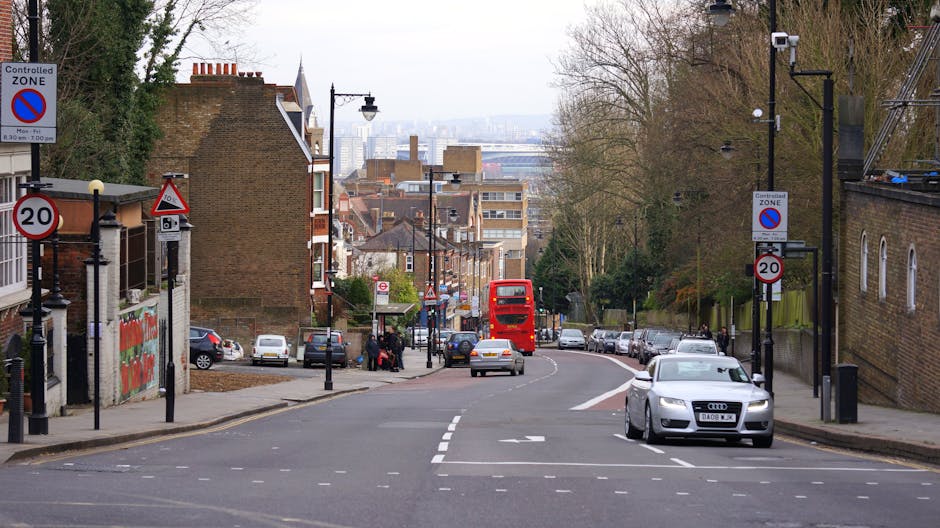
SE24 includes busy streets, tight turning points, controlled parking areas, station-adjacent roads, and homes where access is not exactly generous. In plain English: the van can become the issue even before the furniture does. If you are moving into or out of the area, parking is often the first real-world obstacle. Not the boxes. Not the stairs. Parking.
That matters because moving vehicles need space to load safely and legally. A van parked badly can create delays, upset neighbours, attract penalties, or force crews to carry heavy items farther than planned. On a good day, that means wasted time. On a bad day, it means a stressful knock-on effect for the whole move. And nobody wants to be carrying drawers down a front path while someone is circling for a parking spot.
In SE24, this is especially relevant around busy residential roads, near transport links, and in streets with tighter access. If your move involves a larger van, a long loading window, or anything bulky - a piano, a bed frame, a large wardrobe, even a heavy corner sofa - the parking side of the move becomes just as important as the lifting side. Our own planning always starts there. It sounds boring. It is not. It saves the day.
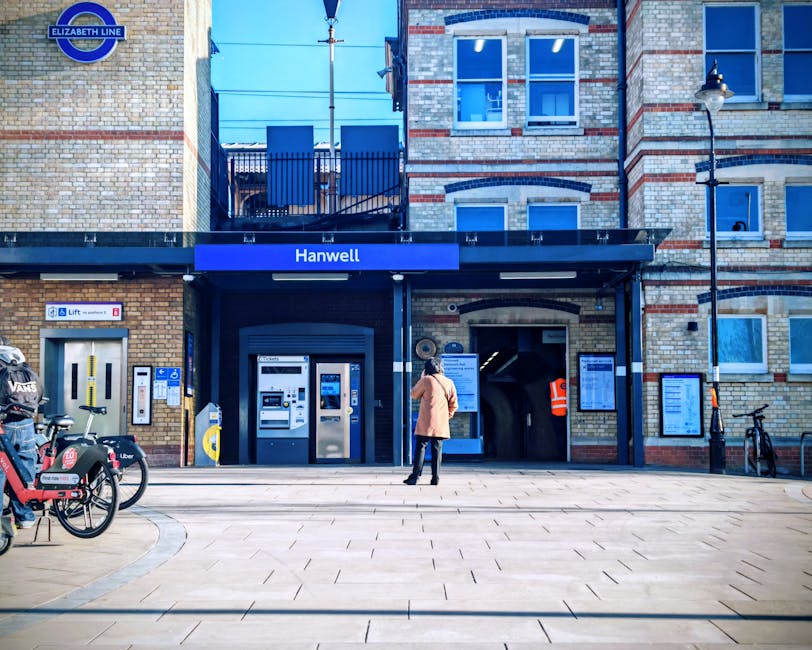
For difficult access jobs, it can also help to think about route planning and handling together. That is where resources like peak-time strategies around Herne Hill station and Croxted Road parking and access tips become genuinely useful, because they remind you that the street matters as much as the address.
Practical takeaway: if your van cannot safely and lawfully stop close to the property, the move becomes slower, more tiring, and more expensive in real terms. Planning parking early is not optional. It is part of the move.
How Lambeth Council Permits for SE24 Moves: Do You Need One? Works
The short version is this: you usually do not apply for a special "moving permit" just because you are moving house. Instead, you check what parking controls apply on the street where the van will stop, and then you arrange the appropriate permission or parking solution if required. The exact route depends on the road, the time, the type of vehicle, and how long the stop will last.
In practice, there are a few common situations:
- Controlled parking bays may require advance permission or a valid parking arrangement.
- Waiting restrictions can limit how long a van can stop, even if it is only for loading.
- Double yellow lines are not automatically a free-for-all; loading may be allowed in some cases, but not always, and timing matters.
- Suspensions or special access arrangements may be needed if the street is very tight, busy, or usually full.
The important thing is not to assume that "it is only for an hour" makes the problem go away. Moving day has a way of stretching. Someone cannot find the spare keys, the lift is busy, the mattress is awkward, and suddenly that hour becomes two. A little planning prevents a lot of apologising.
If you are using a removal firm or a man and van service, ask early how they normally handle parking in Lambeth. Good operators plan for access before arrival, not after. That can mean checking loading options, advising on vehicle size, or recommending a time slot when the street is less congested. For a wider overview of moving support, see the services overview and, for more hands-on local help, the page on man with a van in Herne Hill.
A sensible permit check usually comes down to four things:
- Where the van will stop.
- How long it will stay there.
- Whether the street is controlled or restricted.
- Whether loading activity needs extra permission or timing adjustments.
It sounds simple. In reality, the street-by-street details can be annoyingly different, which is why local knowledge beats guesswork every time.
Key Benefits and Practical Advantages
Getting the parking side right is not just about avoiding a ticket, though that is obviously useful. It improves the whole rhythm of the move. You get quicker loading, less carrying distance, fewer physical risks, and fewer delays. The difference can be surprisingly noticeable, even on a fairly ordinary flat move.
- Less stress on the day: no frantic decision-making about where the van can stop.
- Reduced risk of fines or enforcement issues: a small mistake in parking can become an expensive one.
- Better safety: shorter carry distances mean fewer trips, less strain, and less chance of dropping something.
- Faster turnaround: especially useful for same-day moves, eviction moves, or tightly scheduled handovers.
- Cleaner neighbour relations: when access is planned neatly, you are less likely to block driveways or create unnecessary friction.
There is also a less obvious advantage: a properly planned loading setup gives the team room to work methodically. That sounds minor, but it matters. When a crew can work without dodging traffic or fighting for kerb space, items are handled more carefully. If you are moving furniture, that can make a real difference. For furniture-specific planning, the guide on furniture removals in Herne Hill is a useful companion.
And if you are moving something awkward - a piano, for instance - parking and access matter even more. The combination of weight, width, and delicate handling means that a poor parking choice can complicate everything. That is why many people read piano removals guidance before they book anything else. Wise move, honestly.
Who This Is For and When It Makes Sense
Not every SE24 move needs a formal parking permit, but many benefit from one kind of arrangement or another. The people most likely to need to look closely at Lambeth Council parking rules are:
- Home movers on narrow or heavily parked streets.
- Flat movers where stairs, lifts, and kerb access all matter.
- Residents moving bulky furniture or fragile items.
- Students with limited time, shared entrances, or evening move windows.
- Anyone booking a larger van that cannot just "fit somewhere nearby".
- Urgent movers working against a deadline, such as tenancy end dates or same-day handovers.
If you are moving from a ground-floor place with a driveway and open access, you may not need much more than a sensible parking plan. But if your street is already busy, or if you are moving near a station, a park, or a road where local demand for parking is high, permit or suspension checks become much more important. The Brockwell Park route and access advice is a good example of how local conditions can shape moving decisions more than people expect.
One thing that catches people out is timing. Midweek mornings can still be surprisingly busy. School runs, deliveries, trade vans, and neighbours working from home all create small pockets of pressure. You do not always notice it until a mover tries to stop outside the building and finds the kerb already spoken for. That moment. You know the one.
Step-by-Step Guidance
If you want a calm moving day, follow a proper sequence rather than leaving parking to the last minute. Here is the practical version.
- Check the street conditions early. Look at the immediate loading space outside both properties. Not just the postcode - the actual spot where the van would stop.
- Identify restrictions. Note parking bays, controlled hours, yellow lines, bay suspensions, or access pinch points.
- Confirm the vehicle size. A small van and a long-wheelbase van behave very differently in tight SE24 streets.
- Plan the loading window. Build in buffer time. A move always takes longer than the optimistic version in your head.
- Arrange any necessary parking permission or alternative access. If a loading bay or controlled space is involved, treat it as a priority, not an afterthought.
- Tell everyone involved. Your movers, your agent, your landlord, and the other household should all know the access plan.
- Prepare the property for a short, efficient load. Boxes labelled, furniture dismantled where possible, fragile items grouped together.
For packing preparation, the article on clutter-free move planning pairs well with this process. So does packing and boxes support if you need to get materials sorted before the day arrives.
A small but useful habit: stand outside your property for two minutes and imagine the van arriving. Where does it turn? Where would it park? Where would the trolley go? That one minute of visual checking can reveal all sorts of annoyances before they become real problems.
Expert Tips for Better Results
Here is where a bit of lived experience helps.
First, choose the move time strategically. Early morning often works better than late afternoon in SE24, mainly because streets get busier later and parking spaces disappear fast. That said, early starts are not for everyone - especially if children, key handovers, or building access windows are involved.
Second, keep the load sequence simple. Put the biggest items closest to the van door first, then work backwards to smaller boxes. It sounds obvious, but people still end up loading soft items before the awkward ones. Then the awkward ones sit there, looking awkward.
Third, reduce the distance from door to van. Even a few extra metres make a difference. If you are moving a mattress, wardrobe, or freezer, shorter carry distances reduce strain and speed things up. You can read more about this in bed and mattress moving tips and freezer storage preparation.
Fourth, protect the path from the property to the van. A wet London pavement, a narrow hallway, and a heavy item are not a great mix. Use proper lifting methods and don't try to be a hero. If you need a quick refresher on good body mechanics, kinetic lifting techniques explain the basics well.
Fifth, ask about insurance and handling. Any move with restricted parking, valuable furniture, or shared access should be handled with care. It is reasonable to ask what happens if an item is awkward, if access is blocked, or if the plan changes. A trustworthy provider will not be fazed by the question. For safety context, see insurance and safety information.
Common Mistakes to Avoid
Most moving problems are not dramatic. They are just small mistakes that pile up. A permit issue is often one of them. Here are the common ones we see.
- Leaving parking checks until the day before. By then, options are limited and stress is already high.
- Assuming a van can "just stop for a minute". On controlled streets, a minute can be enough to cause a problem.
- Forgetting the return leg. You may have space in the morning, but not in the afternoon when the van comes back for the second load.
- Booking the wrong vehicle size. Too big and you cannot park; too small and you need too many trips. Not ideal.
- Not factoring in the neighbour impact. Blocking a driveway or entrance can cause avoidable friction.
- Ignoring access constraints inside the property. Tight staircases, awkward corners, and fragile fixtures all slow loading down.
Another common issue is trying to be too independent. That sounds noble, but sometimes it is just exhausting. If the move is bulky or time-sensitive, professional support is often the better call. For larger jobs, the pages on house removals in Herne Hill, flat removals in Herne Hill, and removals in Herne Hill can help you compare options.
Tools, Resources and Recommendations
You do not need a van-load of fancy equipment to get this right, but a few practical tools make a real difference.
- Phone camera: take photos of access points, parking bays, and any restrictions so you can refer back later.
- Measuring tape: especially useful for sofas, beds, white goods, and tight hallways.
- Labels and marker pens: because guessing which box holds kettle leads at 6pm is not fun.
- Protective coverings: blankets, wraps, and edge protection reduce damage during loading.
- Route and access notes: a simple written plan is better than relying on memory under pressure.
For preparation help, the following internal guides are useful and practical rather than fluffy: cleaning strategies for your next move, sofa storage longevity tips, and lifting heavy objects solo with confidence.
If you are on a tight deadline, the service page for same-day removals in Herne Hill may also be worth reviewing. Not every move can be laid out weeks in advance. Real life has a habit of stepping in.
Law, Compliance, Standards and Best Practice
Moving vehicles in London sit within normal road and parking rules, local restrictions, and basic safety expectations. The exact operational details can vary street by street, so you should treat on-street parking as something that must be checked, not assumed. If a street is controlled, or if loading might affect traffic or pedestrians, err on the side of caution.
Best practice in this context usually means:
- checking the street restrictions before booking the vehicle,
- allowing for loading and unloading time rather than just travel time,
- avoiding unnecessary obstruction of roads, pavements, or driveways,
- keeping heavy-item handling safe and controlled,
- making sure any agreed parking arrangement is clear to everyone involved.
For households, this is not only about avoiding hassle; it is also about responsibility. Movers have a duty to work carefully. Residents have a duty to avoid avoidable disruption. And everyone benefits when the plan is straightforward. The health and safety policy and accessibility statement offer useful reassurance about working standards, while terms and conditions can help clarify expectations before booking.
If your move involves a listed building, shared communal access, or protected features, you should be even more careful. That does not necessarily mean "more paperwork for the sake of it", but it does mean more planning. The local article on relocating in listed buildings and preservation rules is particularly relevant there.
Options, Methods, or Comparison Table
There is more than one way to handle access in SE24. The right choice depends on your street, your schedule, and how much you are moving.
| Method | Best for | Pros | Watch-outs |
|---|---|---|---|
| Standard on-street loading | Simple moves with light access pressure | Quick and flexible if the street is calm | Can fail fast on busy or controlled roads |
| Parking bay or restricted-space planning | Controlled streets and scheduled moves | More predictable, fewer surprises | Needs early checking and coordination |
| Smaller van / shuttle approach | Tight roads or limited stopping space | Easier to position, often more manoeuvrable | May require extra trips |
| Pre-arranged professional removal setup | Bulky or time-sensitive moves | Better flow, safer handling, less guesswork | Depends on accurate booking details |
The comparison is simple enough: if access is easy, you can stay flexible. If access is tight, you need more structure. If access is very tight, the solution is usually less about bravery and more about choosing the right method. That is not glamorous, but it works.
Case Study or Real-World Example
A typical SE24 move might look like this. A couple is moving from a first-floor flat near a busy residential road. They have a double mattress, a sofa, a dining table, several boxes, and a large plant that nobody wants to leave behind. At first, they assume the van can park outside for a quick load. Easy, they think. Famous last words.
When they actually check the street, they realise the nearest stopping point sits within a controlled parking area, and the safer loading option is a limited one. Rather than improvising on the morning, they reorganise the move: furniture is dismantled in advance, boxes are labelled by room, the van arrives in a quieter window, and the load order is planned so the heaviest items go first. The result is not magical, just smoother. Fewer trips, less running about, and no standing in the doorway muttering at the sky.
That kind of planning is especially helpful if the route is awkward or the timing is tight. You will notice the difference most on streets where every minute matters. In those cases, reading ahead on SE24 street-by-street advice and bulky item solutions for tight access can save a great deal of stress.
Practical Checklist
Use this checklist a few days before the move, then again the day before.
- Confirm the exact pick-up and drop-off addresses.
- Check the road restrictions outside both properties.
- Decide where the van will load and unload.
- Confirm whether a bay, suspension, or loading arrangement is needed.
- Choose the correct van size for the items and access.
- Measure any bulky furniture or appliances.
- Dismantle beds, tables, and anything awkward in advance where possible.
- Label boxes clearly by room and priority.
- Protect floors, doorframes, and vulnerable corners.
- Keep keys, documents, and essentials in a separate, easy-to-reach bag.
- Build in extra time for delays, traffic, or access problems.
- Tell neighbours or building management if parking or access may be affected.
And one more thing: have a backup plan. Even a simple one. If the van cannot park exactly where planned, know the second-best option before the crew arrives. That tiny bit of forethought can feel annoyingly overcautious until the exact moment you need it.
Conclusion
So, do you need Lambeth Council permits for SE24 moves? Sometimes you will need a formal parking arrangement, sometimes a careful loading plan is enough, and sometimes the answer depends on the exact street, time, and vehicle size. The safe assumption is this: if the van needs controlled or restricted kerbside space, check first and plan properly.
That is the real lesson here. Moving in SE24 is rarely just about lifting boxes. It is about timing, access, parking, and making sure each of those parts fits together cleanly. If you get that right, the rest of the move tends to breathe a bit easier. And honestly, that is half the battle.
If you are still shaping your moving plan, it may help to review pricing and quotes alongside the practical guides on packing, lifting, and access. Good preparation does not remove every wobble, but it does make the day feel manageable. Which, on moving day, is a pretty big win.
Get a free quote today and see how much you can save.
And if the day feels a bit overwhelming, that is normal. Breathe, reset, and keep going. Moves are messy things, but they do come together.
Frequently Asked Questions
Do I need a Lambeth Council permit just to move house in SE24?
Not always. Many moves simply need the right parking or loading arrangement rather than a special permit. The key is whether the van will stop in a controlled or restricted space. If it will, check the rules for that street before the move.
How do I know if my street in SE24 has restrictions?
Look at the kerbside signs, bay markings, and waiting restrictions outside the property. If you are unsure, assume the street is controlled until proven otherwise. That approach is boring, but it is safer and usually cheaper.
Can a removal van stop on double yellow lines during a move?
Sometimes loading may be allowed, but it depends on the location, timing, and local restrictions. Do not rely on a vague assumption. A short stop can still be challenged if it is not in line with the applicable rules.
What happens if the van cannot park outside my property?
You may need to use a nearby loading point, a smaller vehicle, or a shuttle approach with extra trips. It is not ideal, but it is manageable if planned early. The main risk is discovering the issue on the day.
Are permits more important for flat moves than house moves?
Often, yes. Flats usually come with stairs, lifts, shared entrances, or tighter access, so parking distance matters more. Shorter carry distances can make the difference between a smooth move and a very tiring one.
Should I book my van before checking parking rules?
It is better to check first. The size of the vehicle should match the access, not just the volume of your belongings. A van that is too big for the street creates problems very quickly.
How far in advance should I sort out parking for a SE24 move?
As early as possible. A few days can help for simple moves, but busy roads or more complex access situations may need longer. If your move is time-sensitive, do not leave this until the last minute.
Do same-day moves need a different approach?
Yes, they usually do. Same-day removals rely on quicker decisions and tighter coordination, so access planning becomes even more important. See the same-day removals in Herne Hill page for the kind of support that suits urgent jobs.
What if I am moving bulky items like a piano or large sofa?
Then parking and access become even more important. These items are heavier, more awkward, and less forgiving of poor planning. A short loading distance and the right handling method really matter here.
Can I manage the move myself without professional help?
You can, but it depends on the size of the move, the access, and your comfort with handling heavy items. For a very small move, DIY may be fine. For a tight SE24 street with bulky furniture, professional support is often the calmer choice.
What is the biggest mistake people make with Lambeth parking for moves?
Assuming parking will sort itself out on the day. That is the main one. Once the van arrives, you are already on the clock, and every minute spent searching for space slows the entire move.
Where can I get more help with moving in SE24?
Start with practical guides on packing, lifting, access, and local street conditions, then compare the level of support you need. Pages such as man and van in Herne Hill and removal services in Herne Hill can help you think through the best fit for your move.