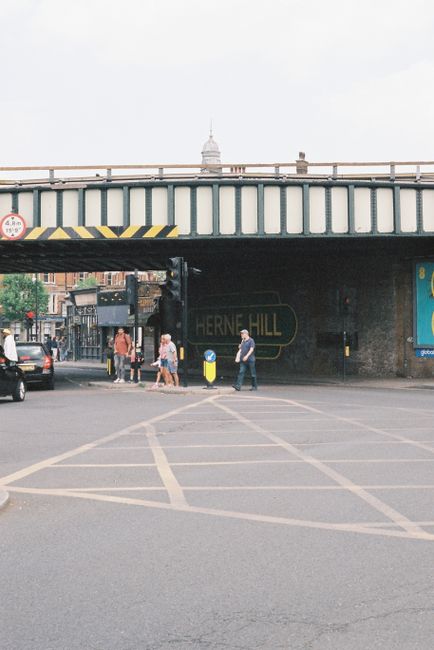
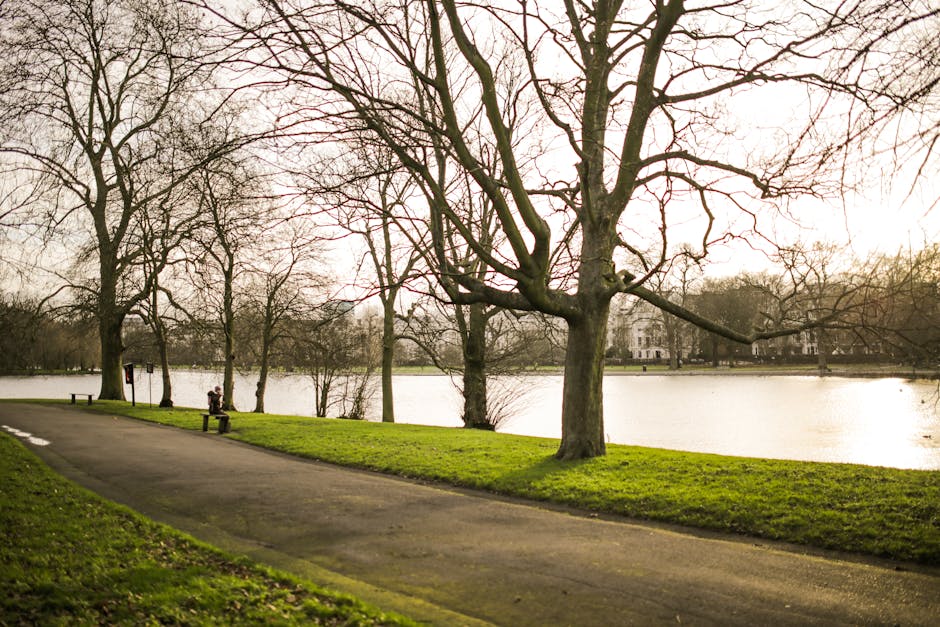
Brockwell Park moving routes for man with van in Herne Hill
If you are planning a move near Brockwell Park, the route matters almost as much as the van. Narrow side streets, school traffic, park-side congestion, and the usual South London parking headaches can turn a simple job into a slow one if the route is not thought through properly. That is why Brockwell Park moving routes for man with van in Herne Hill need a bit of local judgement, not just a sat-nav and good intentions.
This guide explains how to plan a smoother move around Brockwell Park, what to watch for on local roads, and how a man with van service can make the whole thing less stressful. It also covers practical timing, access issues, common mistakes, and the kind of preparation that saves time on moving day. Truth be told, a good route plan is one of those small things that makes a very big difference.
For broader service information, you may also find it useful to look at man with van services, removals, and the company's pricing and quotes page if you are comparing options.
Table of Contents
- Why Brockwell Park moving routes for man with van in Herne Hill Matters
- How Brockwell Park moving routes for man with van in Herne Hill Works
- Key Benefits and Practical Advantages
- Who This Is For and When It Makes Sense
- Step-by-Step Guidance
- Expert Tips for Better Results
- Common Mistakes to Avoid
- Tools, Resources and Recommendations
- Law, Compliance, Standards, or Best Practice
- Options, Methods, or Comparison Table
- Case Study or Real-World Example
- Practical Checklist
- Conclusion
- Frequently Asked Questions
Why Brockwell Park moving routes for man with van in Herne Hill Matters
Brockwell Park sits in one of those London pockets where a short distance on the map can still be awkward in practice. The surrounding roads often carry a mix of local traffic, visitors heading to the park, deliveries, school runs, and people trying to squeeze through on tight schedules. If your van arrives at the wrong time or approaches from an unsuitable side street, the move can become slower, costlier, and more frustrating than it needed to be.
This matters for three simple reasons. First, access. A man with van setup usually works best when the vehicle can park close enough for quick loading and unloading. Second, timing. A route that looks fine at 10 a.m. may be a nightmare at 3 p.m. Third, handling. The more time a team spends shuttling between property and vehicle, the more risk there is of delays, fatigue, and the odd bump with furniture corners. Nobody wants that on moving day.
In Herne Hill, local awareness is worth a lot. Brockwell Park can influence traffic flow more than people expect, especially when events, weekend visits, or school patterns are in play. So route planning is not really an optional extra. It is part of doing the job properly.
Expert summary: A good route near Brockwell Park is not about the shortest distance. It is about the route that gives the van room to stop, the crew room to work, and the move room to stay on schedule.
How Brockwell Park moving routes for man with van in Herne Hill Works
The process is usually straightforward, but the details matter. A local man with van mover will typically look at where the collection point is, where the delivery point is, whether parking is possible close by, and whether the route includes narrow roads, one-way sections, or pinch points that may slow the vehicle down. Then they decide the best time and direction to approach.
For example, a move from a flat near the park to another property a few streets away may still require a van route that avoids unnecessary turns and awkward stopping points. If the property is on a busy road edge, the best option may be to load from a calmer side street and walk the final distance with trolleys or carry equipment. That sounds simple, and often it is. But simple only works when it is thought through.
There is also a practical difference between a "drive there and hope" approach and a route planned around access. The second one usually includes:
- checking likely congestion windows
- choosing an approach road that gives better parking odds
- allowing for loading time, not just driving time
- keeping a backup option in case the first stop is occupied
- protecting larger items from being moved twice
If you want a fuller look at how this kind of service is structured, the man and van and man with a van pages are useful places to understand the service model, while home moves explains the wider moving support available.
Key Benefits and Practical Advantages
When the route is planned well, the benefits show up in small but important ways. Less walking. Less waiting. Less lifting twice. Fewer delays when the street is blocked by another vehicle or a sudden burst of foot traffic near the park entrance. And, maybe most importantly, a calmer moving day.
Here are the practical advantages people notice most:
- Faster loading and unloading: the van can stop where it is most useful, not just where it is legal to stop for a moment.
- Lower strain on the move: shorter carries reduce the wear and tear on both the team and your furniture.
- Better timing control: a route chosen around traffic patterns is far more reliable.
- Less disruption to neighbours: you are less likely to block entrances or create unnecessary congestion.
- Improved protection for items: fewer stops and fewer awkward manoeuvres often mean fewer knocks.
There is a quiet money-saving effect too. A route that avoids delays can reduce labour time, and in a service where efficiency matters, that can influence the final cost or at least prevent avoidable extras. If you are comparing estimates, it is sensible to check removal services alongside removal company options so you understand what level of support you are really getting.
Who This Is For and When It Makes Sense
This kind of route planning is especially helpful if you are moving from a flat, maisonette, terraced house, or any property near Brockwell Park where parking is tight or access is a little awkward. It is also a good fit if you are moving a small household, a few bulky items, or doing a partial move across Herne Hill or nearby South London areas.
It makes sense for:
- students and renters moving in or out of local flats
- families doing a smaller house move
- people collecting furniture, white goods, or bulky items
- small businesses relocating equipment or stock
- anyone who wants a quicker, less chaotic move than a full-size lorry would create
Sometimes people assume a full removals package is the only sensible choice. Not always. A smaller vehicle can be exactly right if the move is modest and the route needs flexibility. On the other hand, if you are relocating a whole house or office, a bigger vehicle or a more structured service may be better. The pages for house removals and office removals are worth a look if your move is larger than a straightforward van job.
One little reality check: if you are moving late on a Friday, on a sunny weekend, or near a park event day, the route can become the whole story. So yes, the route matters. More than people think, in fact.
Step-by-Step Guidance
If you want the move to go smoothly, it helps to treat the route as part of the plan, not something to sort out at the curb. Here is a practical way to do it.
- Map the pickup and drop-off points carefully. Identify the exact entrances, not just the postcodes. Back doors, side gates, narrow hallways, and staircases all matter.
- Check the likely parking position. A van may need a stop that is close enough for carrying but still workable with local restrictions and road width.
- Choose the best time window. Early mornings are often easier, though not always. Midday can be fine midweek, but not if the park is busy or local traffic is heavy.
- Prepare the access route inside the property. Clear hallways, move loose rugs, and keep doors open where appropriate so the carry is smooth.
- Protect the larger items first. Mattresses, wardrobes, sofas, and appliances should be ready before the crew arrives. No one enjoys waiting around while a corner sofa is still wrapped in thought.
- Keep a backup parking plan. If the first stopping point is taken, know the next best option. That small bit of flexibility can save real time.
- Load in the right order. Heavy, stable items go in first. Fragile items and anything needed immediately should be placed where they can be reached quickly.
- Confirm the route before setting off. A route check five minutes before departure can catch temporary road works, parking changes, or a suddenly busy stretch.
That sequence sounds basic, but basic is often what works. The trick is not to overcomplicate it. Just keep the move organised enough that the van, the route, and the property all work together.
Expert Tips for Better Results
A few local habits can make Brockwell Park moves much easier. These are the sort of things that come from experience rather than theory.
- Avoid the "I'll wing it" approach. In this part of London, winging it tends to end in a double parking hassle or a long carry.
- Use smaller items to fill awkward spaces. Boxes and soft bags can help stabilise the load when furniture shapes are odd.
- Keep a clear path from front door to van. This sounds obvious, but clutter always seems to reappear just when you need space.
- Label boxes by room and priority. That makes unloading much quicker, especially if the route or parking adds a bit of time pressure.
- Think about the return journey too. If the van has to circle back or reposition, factor that into your schedule.
It is also wise to speak plainly with your mover about the access conditions. If the stairwell is tight, the street is busy, or the only parking space is a short walk away, say so up front. Good operators would rather know the awkward bit before they arrive than discover it while balancing a wardrobe. Nobody's day improves when a wardrobe wins the argument.
If you are comparing different levels of help, you might also want to review packing and unpacking services, especially if you are trying to reduce handling on the day itself.
Common Mistakes to Avoid
Most moving problems near Brockwell Park come down to a few predictable errors. Luckily, they are avoidable.
- Assuming the closest route is the best route. The shortest drive may not be the easiest for parking or unloading.
- Ignoring park-related traffic patterns. Leisure traffic and local footfall can create delays that sat-navs do not always explain well.
- Not checking the size of the van against the street. A larger vehicle may be fine on paper but awkward in a narrow lane or tight turning area.
- Leaving packing until the last minute. That usually means slower loading and more chance of breakage.
- Failing to mention access issues. If the mover does not know about stairs, basement access, or a long carry, the plan is weaker from the start.
Another common one: people underestimate how long a "small" move takes when parking is poor. It is a bit like believing a tea break will stay a tea break. It rarely does. One thing leads to another.
Tools, Resources and Recommendations
You do not need a box of fancy tools to plan a better route, but a few basics help a lot. A phone with maps, a note of the exact entry point, tape or labels for boxes, and a clear inventory of the bulky items will all make the day smoother.
For service planning and trust signals, the following pages are worth browsing if you are making decisions or checking how the business works:
- insurance and safety for peace of mind around handling and protection
- health and safety policy for how safe working is approached
- payment and security if you want to understand how booking and payment are handled
- about us for a clearer sense of the company's approach
For item clearance or one-off furniture movement, the furniture pick up page may also be relevant. And if you are simply searching for a nearby moving option, removals near me is a useful starting point for local investigation.
Law, Compliance, Standards, or Best Practice
Route planning around Brockwell Park is less about unusual legal rules and more about acting responsibly within normal UK moving practice. You should always consider parking restrictions, yellow lines, access rights, pavement obstruction risks, and any local conditions that may apply on the day. If a move involves stopping in a public road, the driver should be confident that the vehicle can stop safely and without creating unnecessary obstruction.
Best practice in a local move usually includes:
- checking parking conditions before arrival where possible
- avoiding unsafe loading across busy traffic flows
- protecting building entrances and shared areas
- keeping the move efficient enough to reduce disturbance
- using sensible lifting methods and suitable equipment
It is also good practice to work with providers who are transparent about service terms. If you are reviewing the fine print, the pages for terms and conditions and privacy policy can help you understand how a professional service handles bookings and information. For environmentally conscious customers, recycling and sustainability may also be relevant, particularly if the move includes unwanted items or packaging waste.
Where office or business items are involved, the standards are a little different in practice. Access coordination, equipment safety, and business continuity become more important, which is why commercial moves and office relocation services are useful references for more structured relocation work.
Options, Methods, or Comparison Table
Different move types suit different route strategies. A quick comparison helps if you are deciding what level of service you actually need.
| Move type | Best route approach | Typical advantage | Potential downside |
|---|---|---|---|
| Single-item or furniture move | Shortest practical access route with easy stopping space | Fast, flexible, usually good value | Not ideal for large household loads |
| Small home move | Route planned around parking and loading time | Balanced mix of speed and flexibility | Can run slow if access is not checked |
| Full house move | More structured route with detailed timing | Better for multiple loads and larger volumes | Needs more preparation |
| Office move | Route planned around disruption, access, and time windows | Minimises business interruption | Requires more coordination |
As a rule, a van works best when the route gives the driver room to position the vehicle once, load efficiently, and leave without lots of repositioning. If the move feels like it needs more than one trip because of volume or access, then services such as house movers or a more complete man with van removal setup may suit you better.
Case Study or Real-World Example
Here is a realistic local example. Imagine someone moving from a first-floor flat just off Brockwell Park to a place a few streets away in Herne Hill. The distance is not huge, but the flat has a narrow stairwell, the road outside is busy in the morning, and parking near the front door is often taken. If they try to use the most direct approach without planning, the van may end up parked farther away than expected.
Instead, the mover chooses a slightly different route that avoids the worst of the congestion, arrives early enough to secure a practical stopping point, and uses a trolley for the heavier boxes. The driver spends less time circling, the loading is calmer, and the move is finished without anyone dashing around trying to find a second parking option. Simple, really, but that is the point.
In another case, a small business relocating equipment from a home office near the park might decide to split the move into two stages: fragile electronics first, furniture after. That kind of staging keeps the route manageable and reduces the chance of damage. For the customer, it feels less like chaos and more like a plan. Which, let's face it, is what you want on moving day.
Practical Checklist
Use this checklist to keep your Brockwell Park move on track.
- Confirm the pickup and delivery addresses exactly
- Note any stairs, narrow entrances, or long walks from van to door
- Check if parking is likely near both properties
- Choose a move time that avoids known busy periods if possible
- Pack and label boxes before the van arrives
- Disassemble large furniture where sensible
- Protect fragile items with proper wrapping
- Keep pathways inside the property clear
- Tell the mover about anything awkward in advance
- Have a backup plan if the first parking spot is unavailable
- Keep keys, documents, and essentials separate
- Review booking terms before the day
Quick takeaway: if the route, parking, and packing are all handled well, the move tends to feel easier than people expected. Not always perfect, but a lot easier.
If you are ready to compare the next step, the best place to start is usually the service page that matches your move type, then check the pricing information and use the contact route that suits you. Small bit of admin now, much less stress later.
Get a free quote today and see how much you can save.
Conclusion
Brockwell Park moving routes for man with van in Herne Hill are all about planning the move around real local conditions, not just the distance between two addresses. The right route can reduce delay, protect your belongings, and make the whole day feel far more manageable. That is especially true in an area where parking is limited and road conditions can change quickly depending on the time of day.
If you remember only one thing, make it this: the best route is the one that helps the van work with the street, not against it. The move becomes easier, the day becomes calmer, and everyone finishes a little less frazzled. Which is no bad thing.
And if you are standing by the door with boxes stacked neatly and the kettle already packed away, you are probably in better shape than you think.
Frequently Asked Questions
What is the best route for a man with van move near Brockwell Park?
The best route is usually the one that gives the van the easiest stopping point and avoids the busiest traffic periods, not necessarily the shortest drive. Access and parking matter just as much as distance.
Why does Brockwell Park affect moving routes in Herne Hill?
The park can influence local traffic, parking pressure, and pedestrian activity. On busy days, that can slow loading and make stopping near a property more difficult.
Should I book a smaller van or a larger removal vehicle?
It depends on volume, access, and parking. A smaller van is often better for tight streets and short carries, while a larger vehicle may suit bigger moves with easier access.
How far in advance should I plan the route?
Ideally, before moving day. Even a rough plan of where the van will stop and how items will be carried in and out can save time and stress.
Can a man with van service handle flats near Brockwell Park?
Yes, provided the access is realistic for the vehicle and the moving team. Flats with stairs or awkward entrances are common, and a local service should plan around that.
What if there is no parking outside my property?
Then the mover may need a nearby legal stopping point and a longer carry. It is best to mention this early so the plan can be adjusted properly.
Is it cheaper to use a man with van than a full removals service?
Often, yes, for smaller moves. But if the job is larger or access is awkward, a more complete removals service may offer better value overall.
Do I need to pack everything before the van arrives?
Yes, as much as possible. The smoother the packing, the faster the loading. Loose packing usually means slower work and more handling.
How do I avoid delays on moving day?
Pick a sensible time, clear the access route, label boxes, and share any parking or stair issues in advance. A bit of preparation goes a long way.
What should I tell the mover about my property?
Tell them about stairs, narrow hallways, parking limits, lift access, timed entry, or anything else that could change how the van is used. The more accurate the information, the better the route plan.
Is this kind of route planning useful for office moves too?
Absolutely. Office relocations often need tighter timing and more careful access planning, which is why route choice is just as important for business moves.
Where can I check more service details before booking?
You can review relevant service pages such as man with van, removals, and pricing and quotes to understand the options before you make a decision.